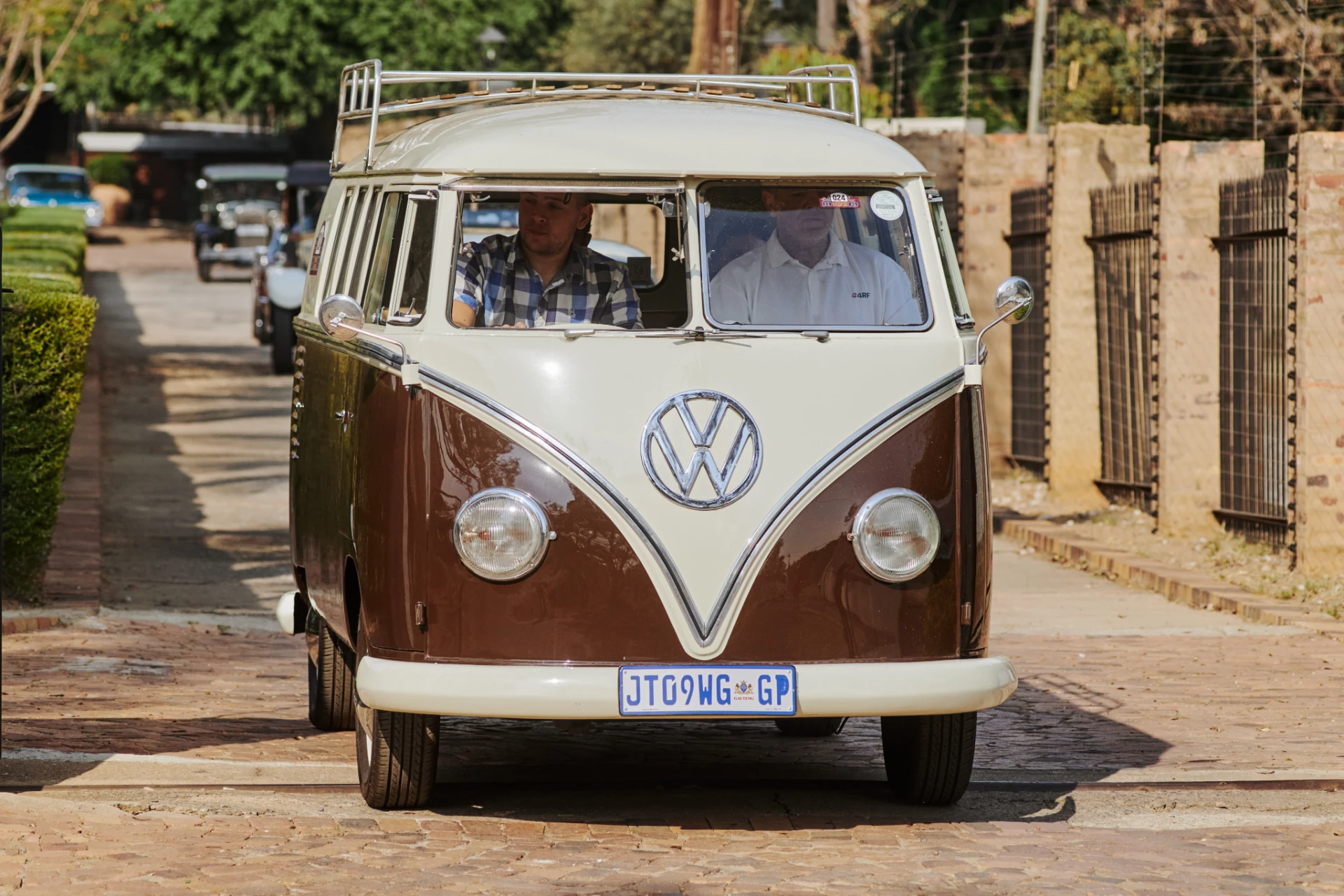
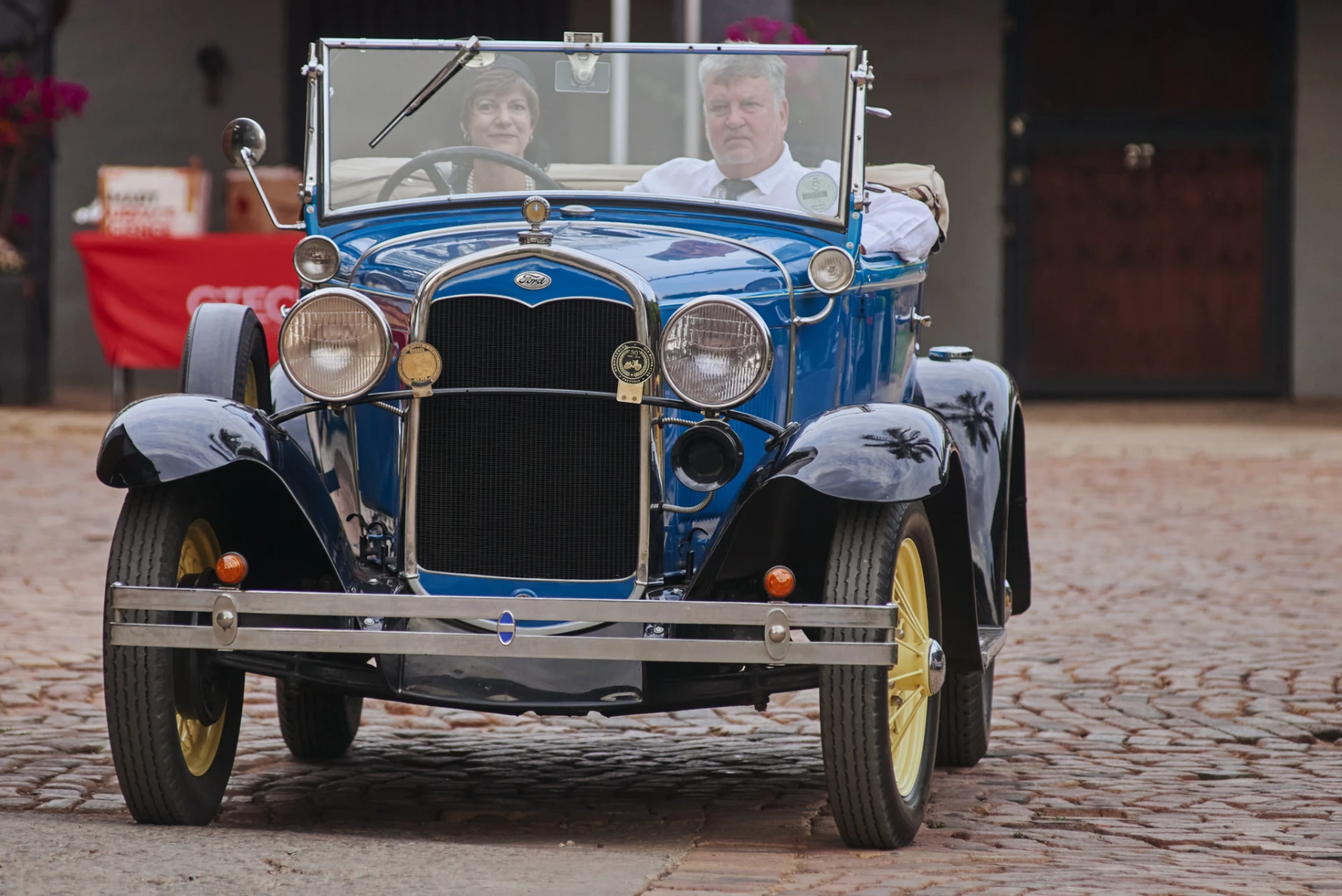
Not Every Classic Is an Investment
Some classic cars are nostalgia.
Some are liabilities.
A very small percentage quietly compound in value.
The mistake most buyers make is assuming age alone equals appreciation. It does not.
Appreciation in the classic car market follows structure. When you understand that structure, you stop guessing and start positioning capital correctly.
The 5 Drivers of Appreciation
1. Finite Production
Rarity is the foundation.
If production numbers were high and survival rates remain strong, scarcity never kicks in. True appreciation often lives in models with limited production runs or high attrition over time.
Finite supply creates pricing pressure when demand rises.
2. Cultural Relevance
Cars tied to eras of cultural importance outperform mechanically similar alternatives.
Vehicles that defined a decade, motorsport era, or design movement often benefit from nostalgia wealth cycles. As the generation that idolised them reaches peak earning power, demand increases.
That demand is emotional, but pricing impact is real.
3. Originality and Provenance
Matching numbers.
Original panels.
Documented ownership history.
The market pays premiums for authenticity. Over-restored vehicles may look immaculate, but historically, originality tends to command stronger long-term value retention.
Documentation matters more than polish.
4. Global Auction Performance
Local perception does not determine global value.
Serious investors track international auction houses and cross-border demand. If a model performs consistently in London, Scottsdale, or Monaco, that global floor stabilises pricing.
Liquidity comes from international recognition.
5. Entry Timing
Markets move in cycles.
Some models surge after a media spotlight. Others climb steadily over decades. Buying during hype compresses upside. Buying before renewed collector interest expands it.
Timing does not guarantee appreciation, but entry discipline reduces downside risk.
Appreciation vs Speculation
Speculation chases trend.
Appreciation tracks fundamentals.
Speculators buy headlines.
Strategic buyers analyse production numbers, global demand and long-term desirability.
The difference shows up ten years later.
Classic Cars vs Traditional Assets
Over the past decade, select blue-chip classics have rivalled traditional asset classes in growth. However, this performance has not been universal across the entire market.
Unlike property or equities, classic cars are emotional assets with finite supply. When demand intersects with scarcity, values accelerate.
When demand fades, stagnation follows.
Understanding which category a vehicle belongs to determines whether it becomes part of a collection or part of a regret.
The Investment Mindset
An appreciating classic is rarely the loudest car in the room.
It is usually the one:
- Produced in limited numbers
- Desired internationally
- Supported by documented history
- Maintained in original or correctly restored condition
- Purchased with long-term horizon in mind
Classic cars reward patience, not impulse.