A Comparison Worth Examining
Property has long been viewed as the default alternative asset.
It is stable, tangible and widely understood.
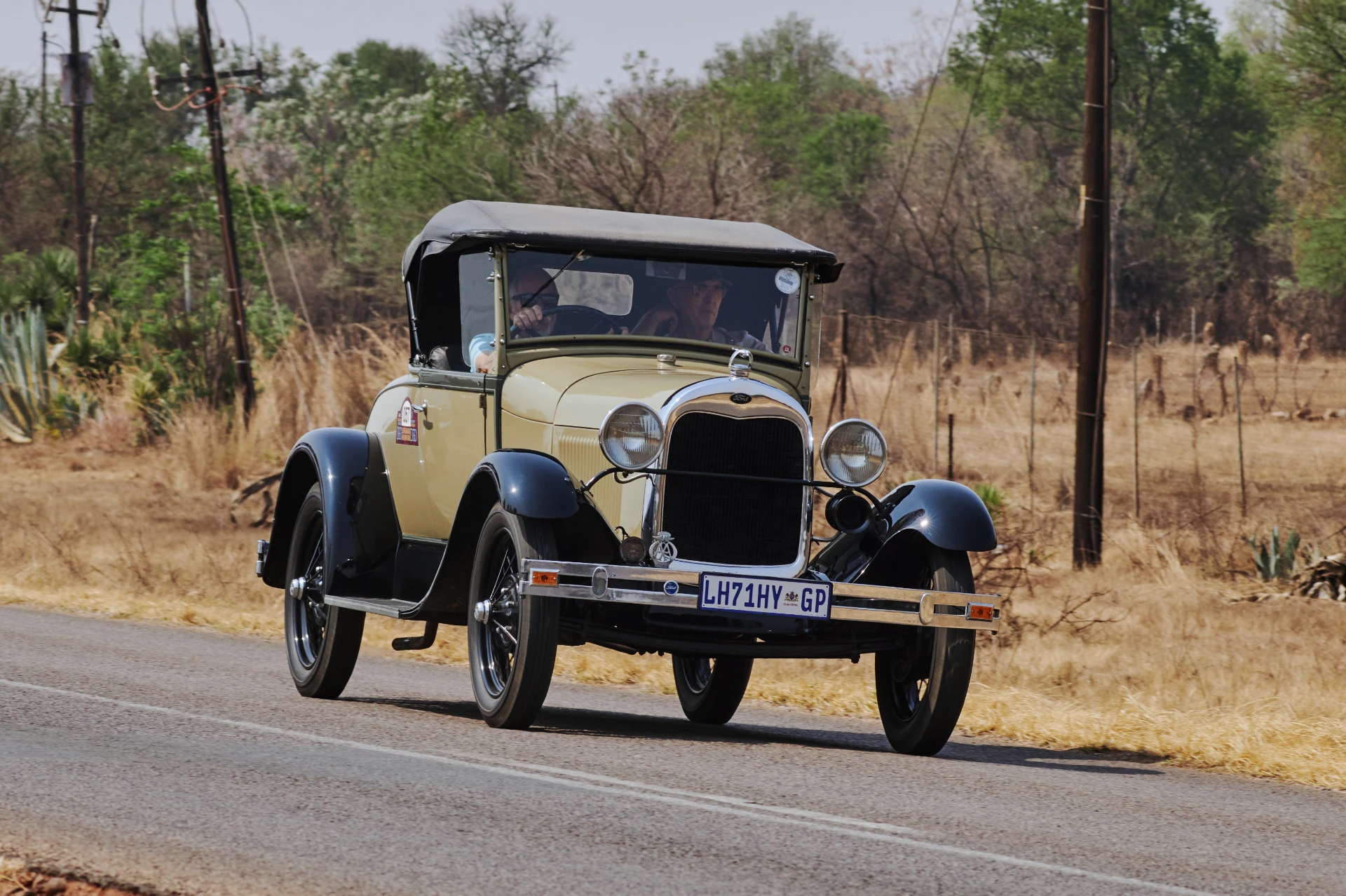
Classic cars occupy a different category. They are tangible, finite and emotionally driven assets with international liquidity.
Over the past decade, select classic models have demonstrated growth patterns that rival traditional property markets in specific regions.
The key word is select.
Why Classic Cars Can Outperform
Finite Supply
Property supply expands with development.
Classic car supply only decreases.
Every accident, improper restoration or export permanently reduces available inventory.
Scarcity strengthens long-term pricing pressure.
Globalisation of Collectors
Digital auctions and cross-border marketplaces have expanded buyer pools dramatically.
A South African collector no longer competes only locally. International demand influences pricing structures.
Broader demand increases price resilience.
Wealth Transfer Cycles
As generational wealth shifts, nostalgia shifts with it.
Collectors in their peak earning years often pursue vehicles that defined their formative decades.
Demand follows demographic income power.
The Difference Between Broad Market and Blue-Chip Models
Not all classic cars appreciate meaningfully.
Blue-chip examples share characteristics:
- Strong global recognition
- Motorsport heritage or cultural significance
- Limited production
- High originality
These vehicles often demonstrate steadier long-term appreciation compared to lesser-known alternatives.
The Lifestyle Dividend
Property generates yield.
Classic cars generate experience.
They are displayed, driven and enjoyed.
The owner extracts experiential value alongside potential capital appreciation.
That combination creates a hybrid return profile: financial and emotional.
Risk Considerations
Classic cars are not passive investments.
They require:
- Secure storage
- Insurance
- Mechanical stewardship
Market cycles can pause appreciation.
Understanding both upside and responsibility allows owners to engage the market with clarity rather than assumption.
The Balanced Perspective
The conversation is not property versus cars.
It is understanding asset diversification across categories.
Classic cars represent a niche asset class driven by scarcity, culture and global collector interest.
When selected carefully, they offer a blend of tangible ownership and long-term value positioning that differs meaningfully from traditional real estate.