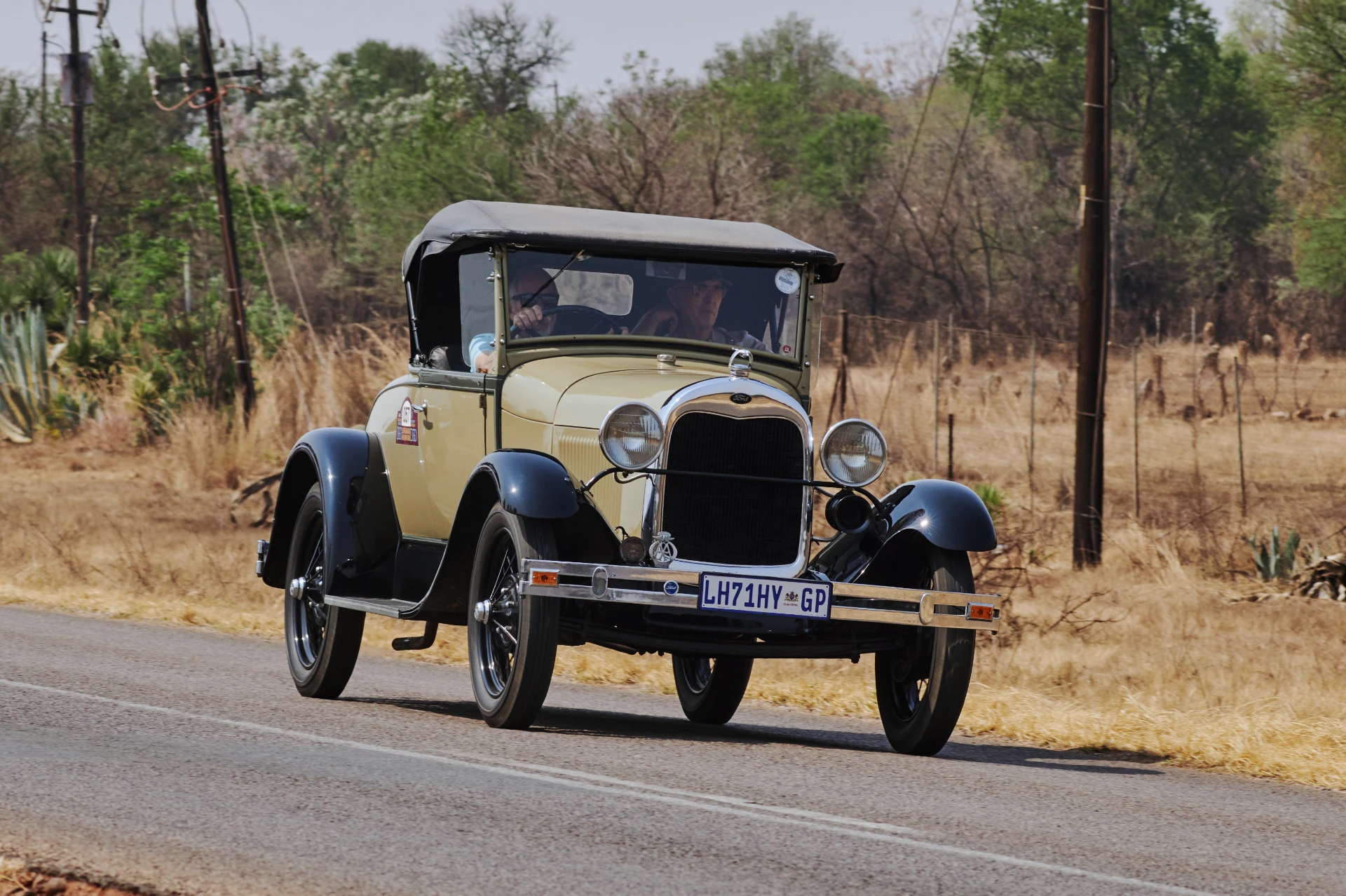
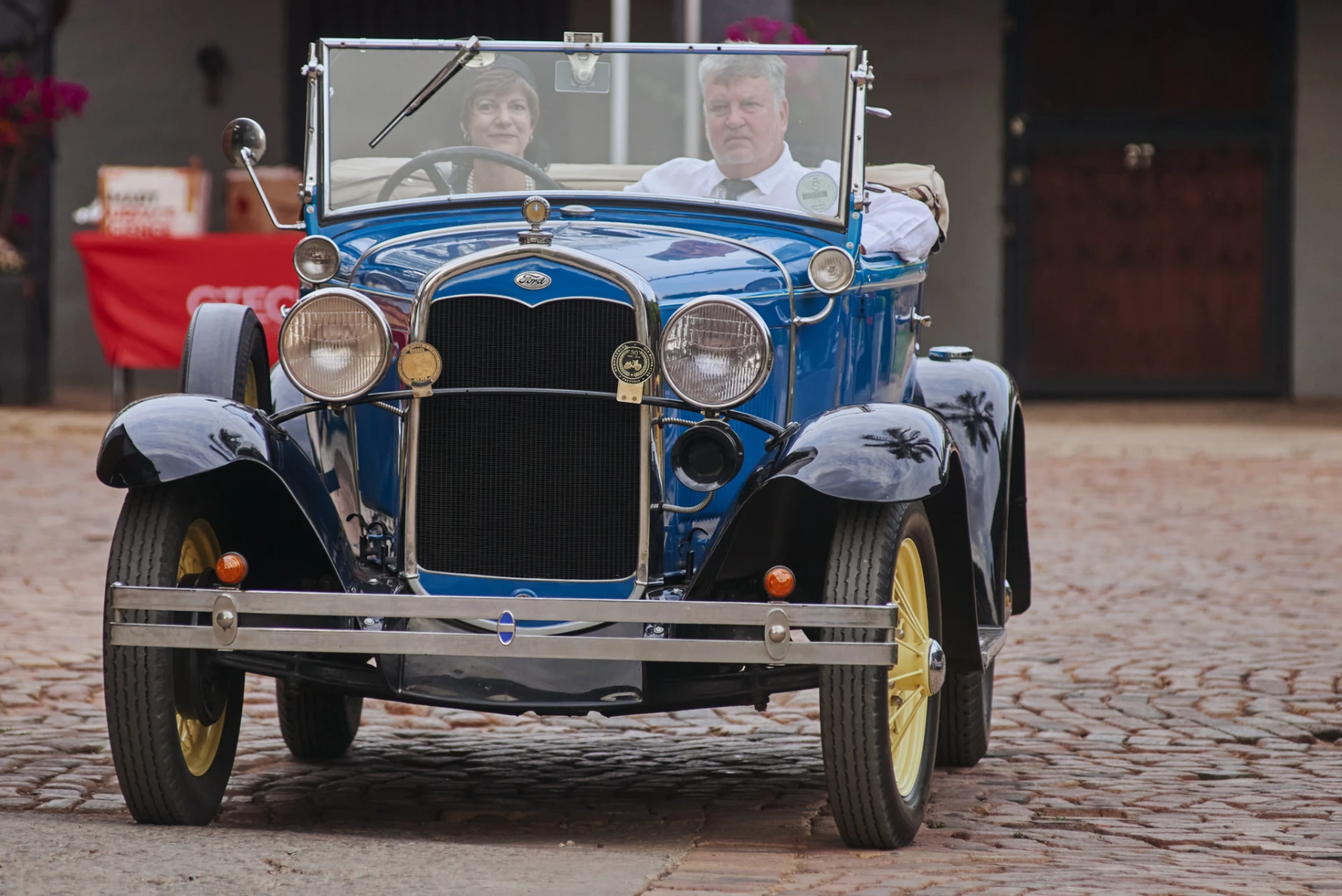
Buying a Classic Is Emotional. It Should Also Be Structured.
The first mistake most buyers make is falling in love before doing due diligence.
Emotion is part of the experience.
But structure protects capital.
Buying a classic car requires a different lens than buying a modern vehicle. You are not purchasing transport. You are acquiring mechanical history.
Step 1: Define Purpose
Are you buying to:
- Drive regularly
- Collect and store
- Invest for long-term appreciation
- Restore as a project
Purpose determines model choice, budget allocation, and risk tolerance.
A weekend cruiser and an investment-grade example require different evaluation criteria.
Step 2: Research Market Position
Before viewing a car physically, understand its market standing.
Study:
- Production numbers
- Recent sale prices
- International auction results
- Model-specific common issues
Without market context, pricing feels random. With context, negotiation becomes strategic.
Step 3: Verify Provenance
Documentation separates informed buyers from optimistic ones.
Key elements include:
- Matching numbers confirmation
- Service records
- Restoration history
- Ownership lineage
The absence of documentation does not always disqualify a car, but it affects valuation.
Step 4: Mechanical Inspection
A visual inspection is insufficient.
Classic vehicles require:
- Compression testing
- Structural inspection for rust
- Electrical system evaluation
- Chassis integrity checks
Cosmetic excellence can hide mechanical compromise.
Step 5: Understand Total Cost
Purchase price is rarely the final figure.
Additional considerations:
- Licensing and compliance
- Insurance premiums
- Secure storage
- Preventative maintenance
- Restoration buffers
Experienced buyers budget beyond acquisition cost to protect long-term ownership experience.
Step 6: Think Exit Before Entry
Liquidity varies across models.
Some classics sell within weeks.
Others require extended exposure.
Understanding resale desirability before purchasing reduces long-term friction.
Professional buyers think about exit strategy on day one.
The Psychology of Smart Purchasing
Impulse buyers prioritise colour and nostalgia.
Strategic buyers prioritise:
- Condition hierarchy
- Documentation quality
- Market comparables
- Long-term desirability
Both may enjoy their cars.
Only one minimises financial risk.